Open AccessArticle
Seismic Soil Amplification in a Thick Alluvial Basin: One-Dimensional Site Response Analysis for Afyonkarahisar, Türkiye

1
Department of Civil Engineering, Afyon Kocatepe University, Afyonkarahisar 03200, Turkey
2
Department of Civil Engineering, Osmangazi University, Eskisehir 26040, Turkey
3
Department of Civil Engineering, Dumlupınar University, Kütahya 43100, Turkey
*
Author to whom correspondence should be addressed.
Appl. Sci. 2026, 16(15), 7443; https://doi.org/10.3390/app16157443 (registering DOI)
Submission received: 29 June 2026 / Revised: 15 July 2026 / Accepted: 21 July 2026 / Published: 25 July 2026
Abstract
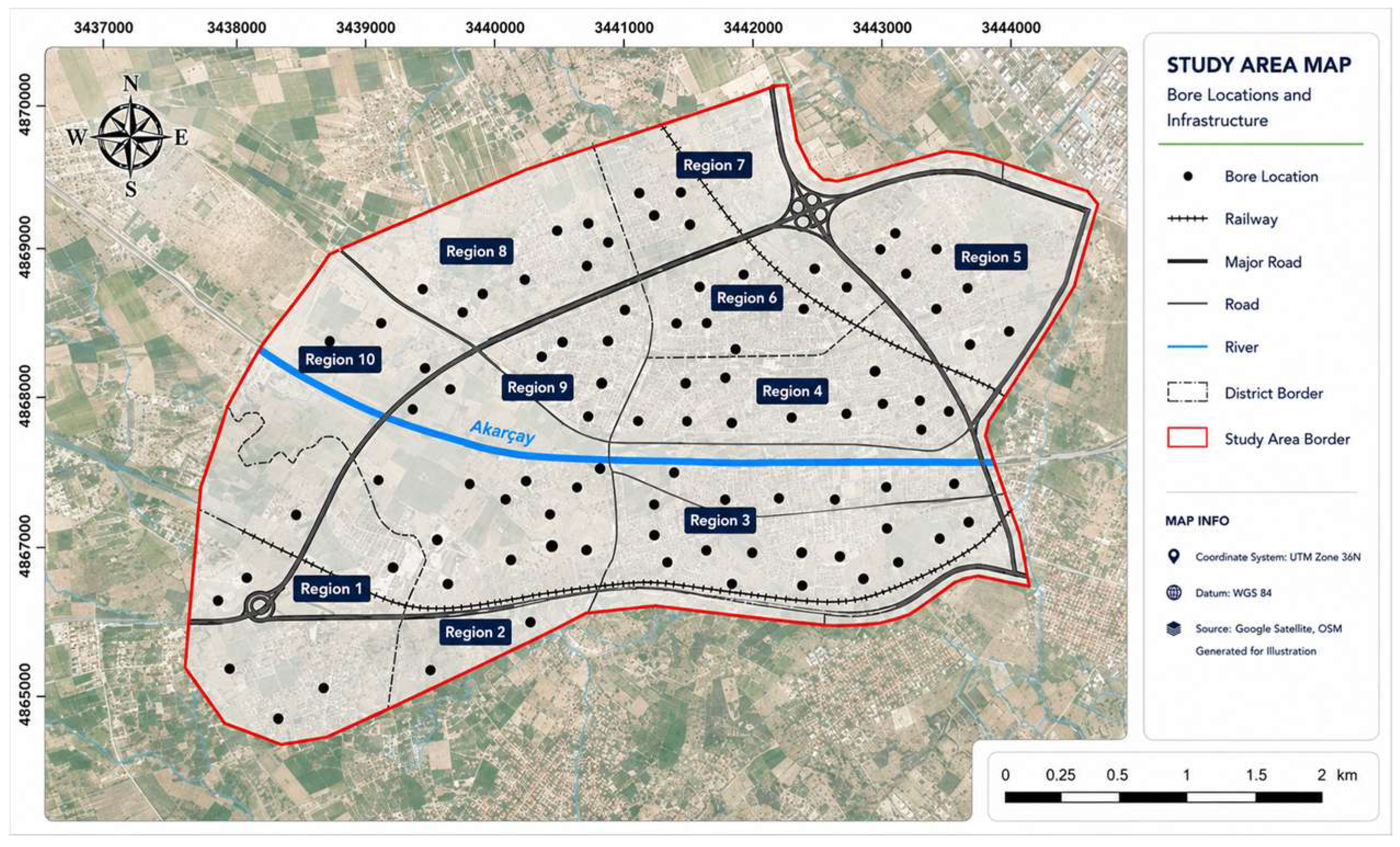
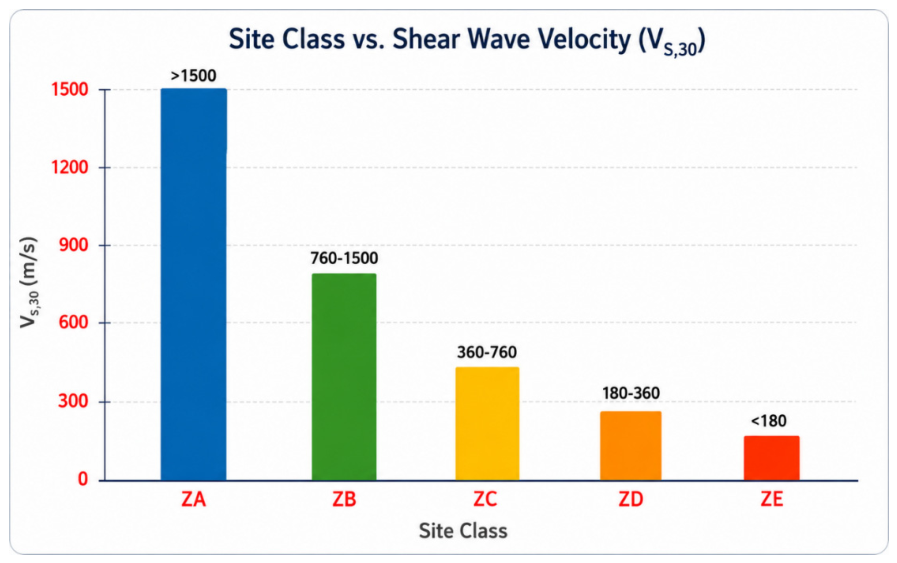
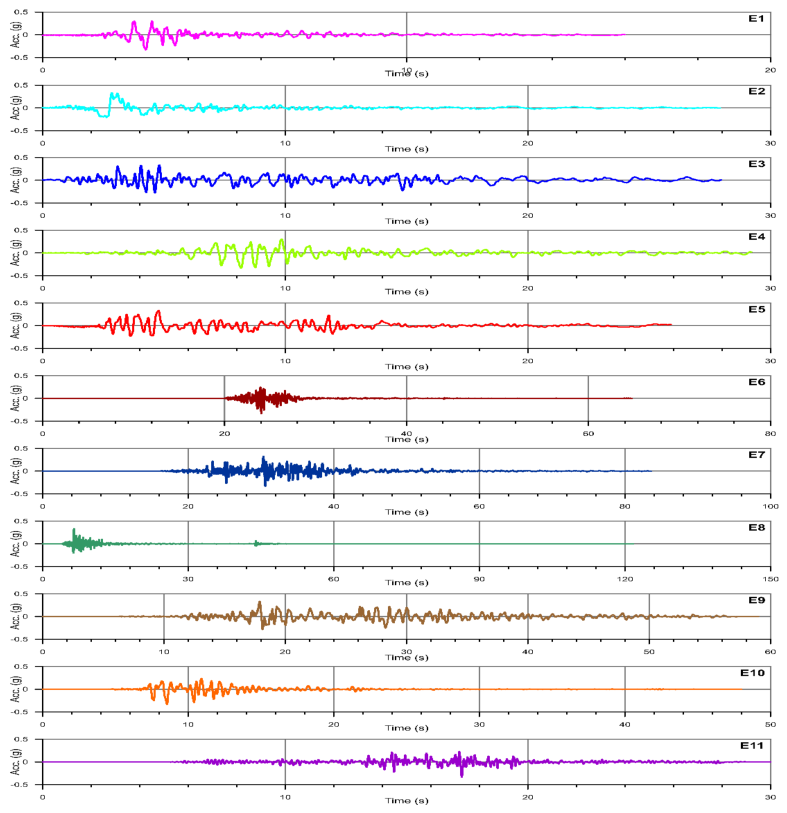
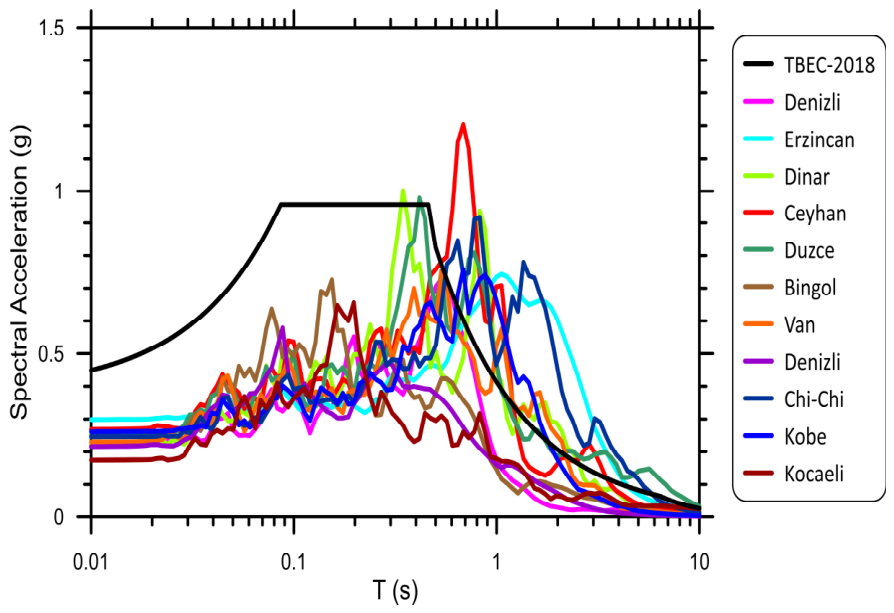
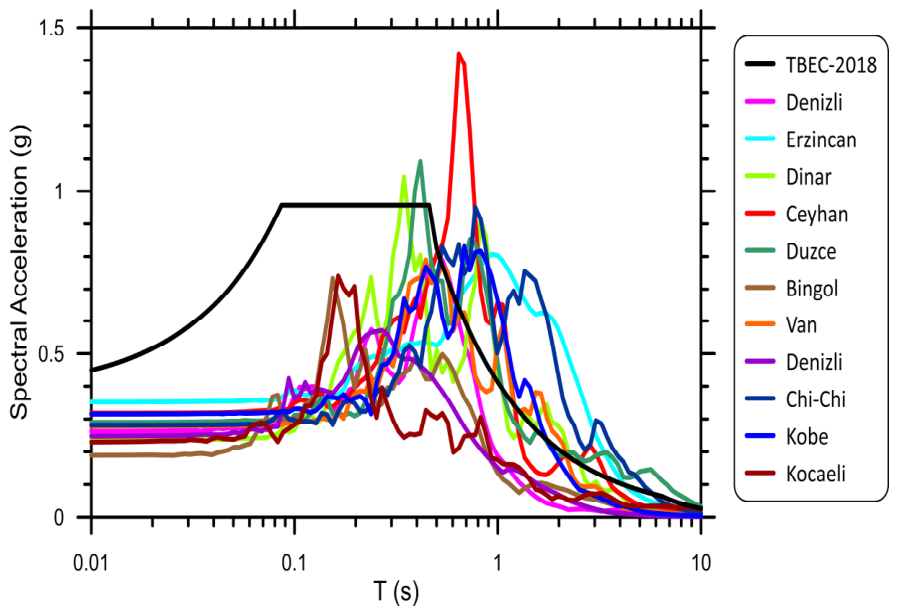
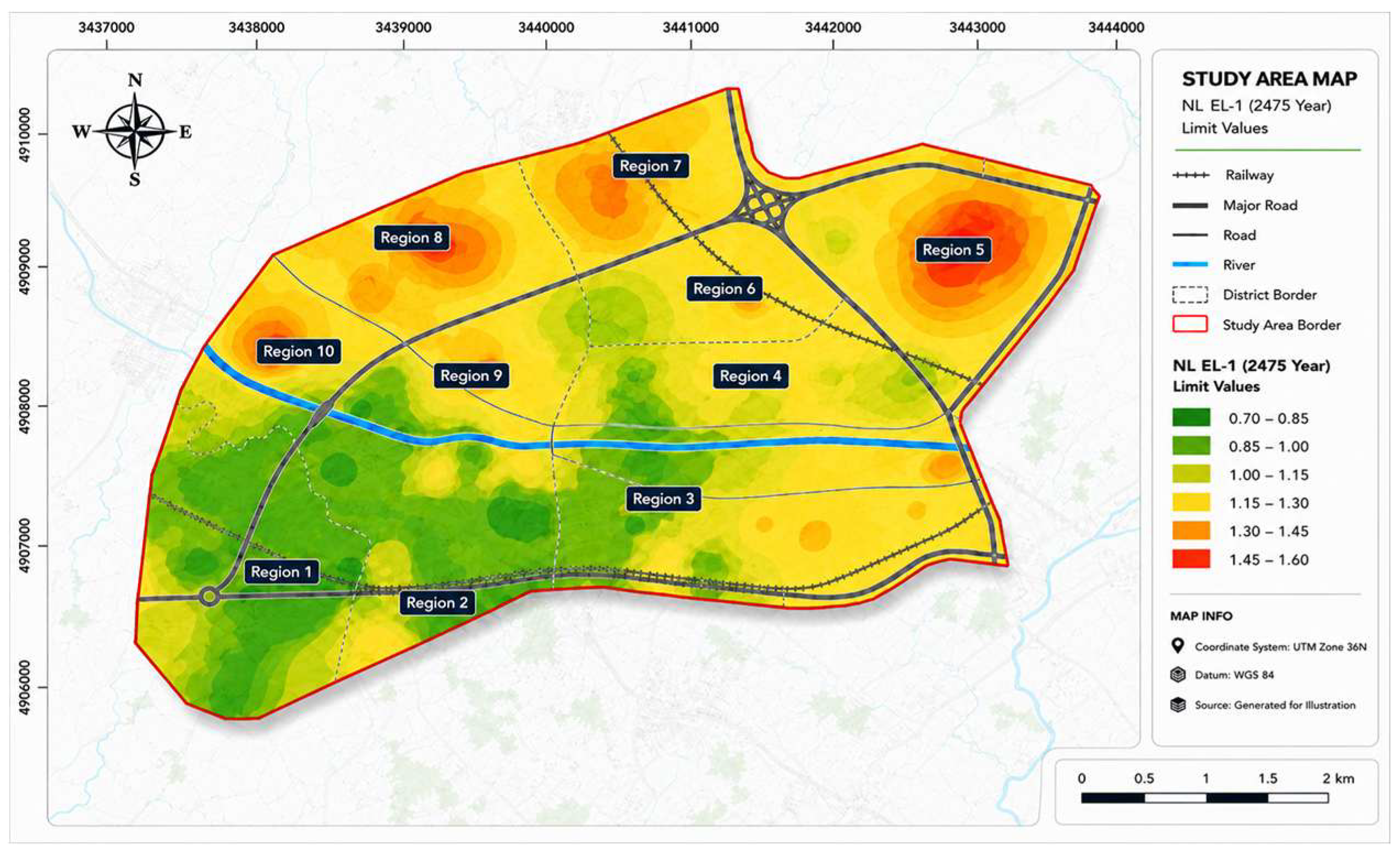
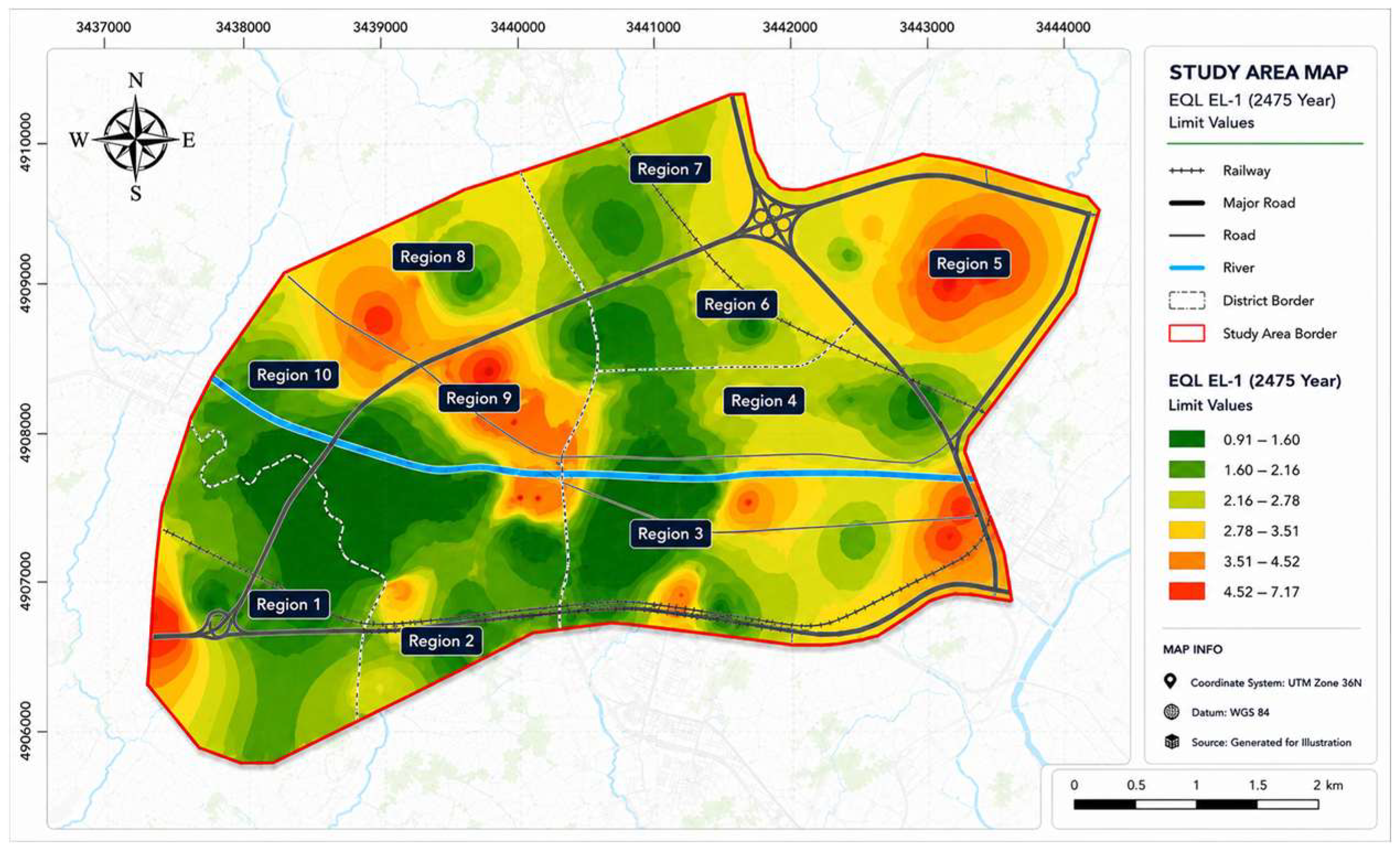
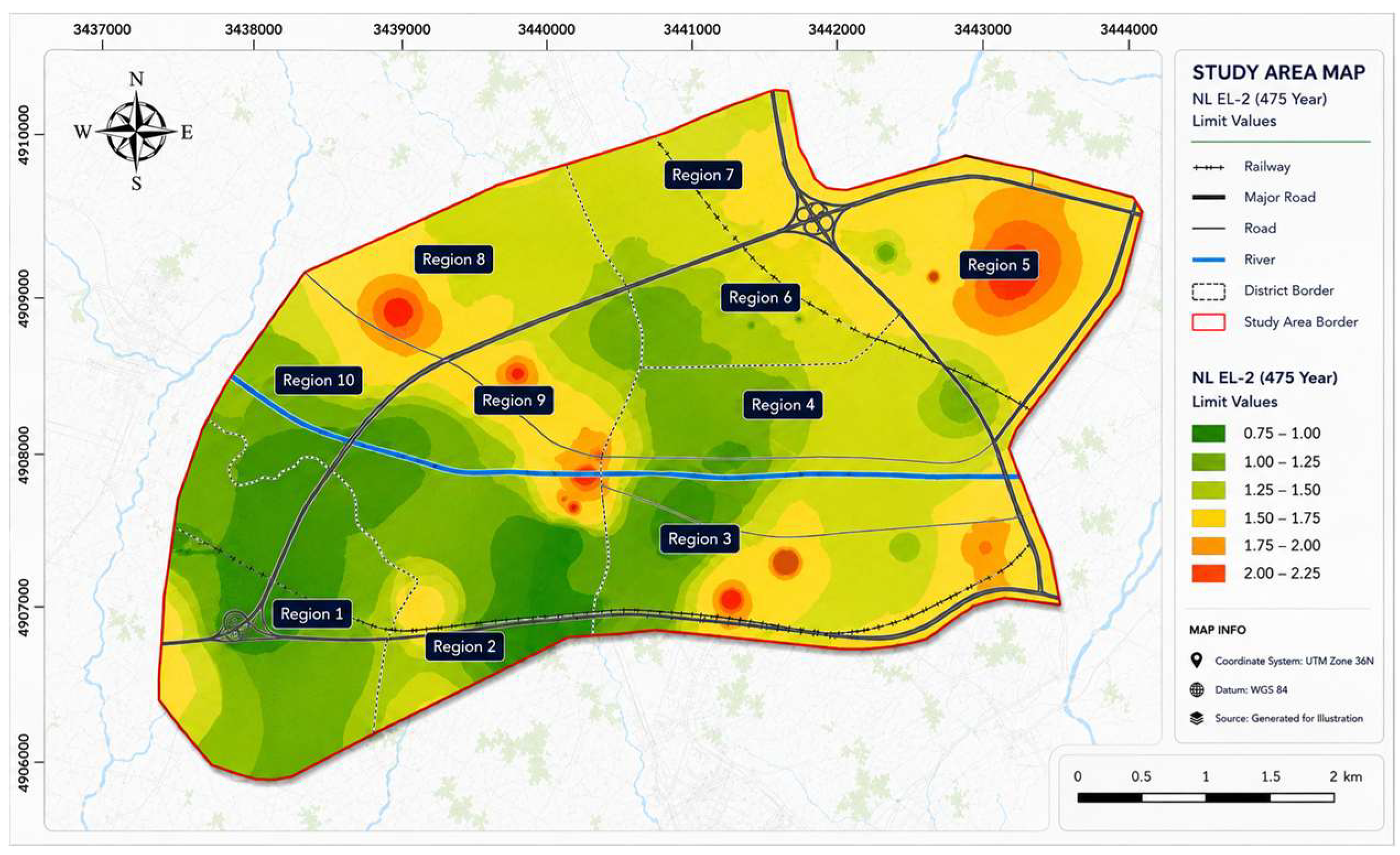
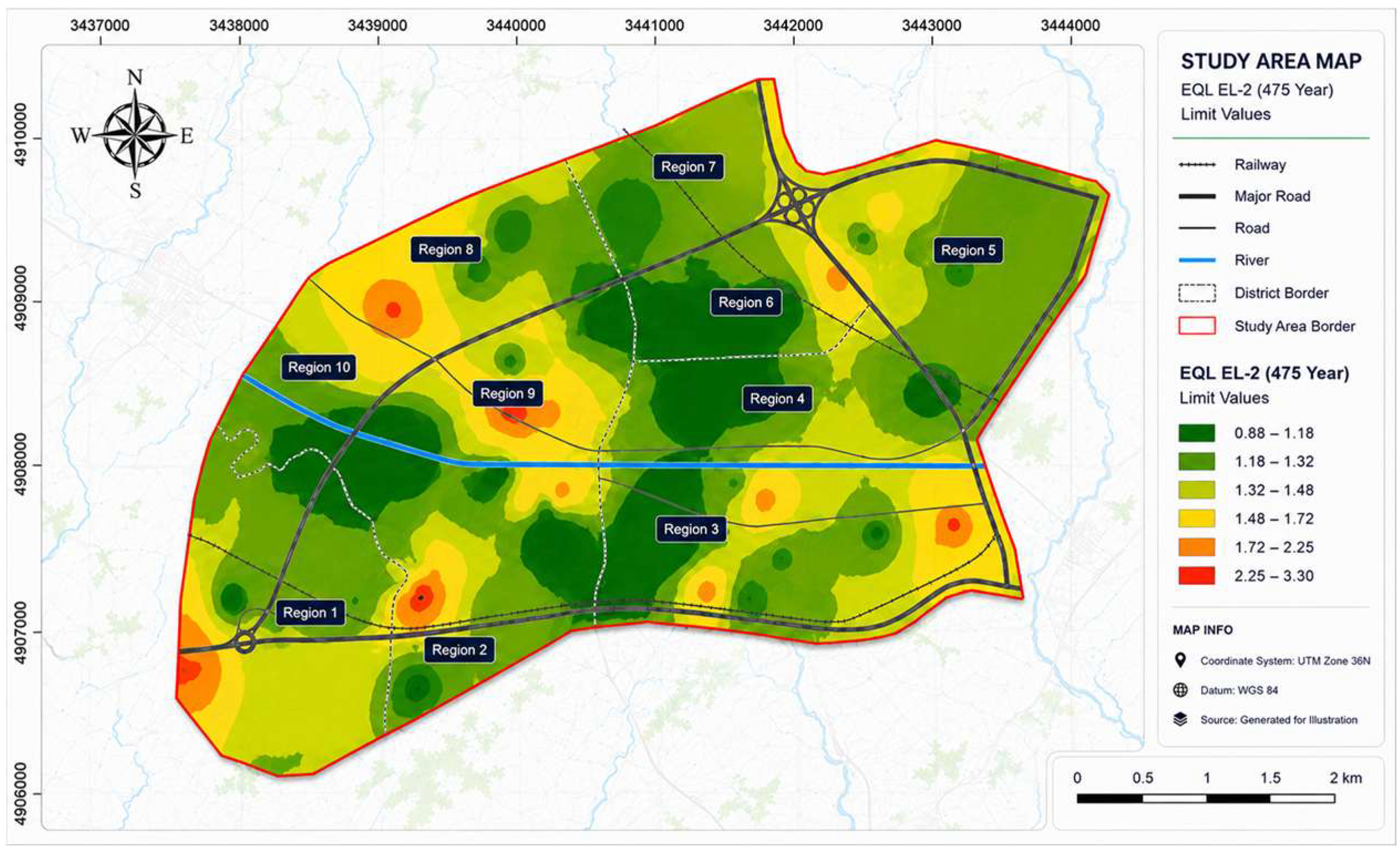
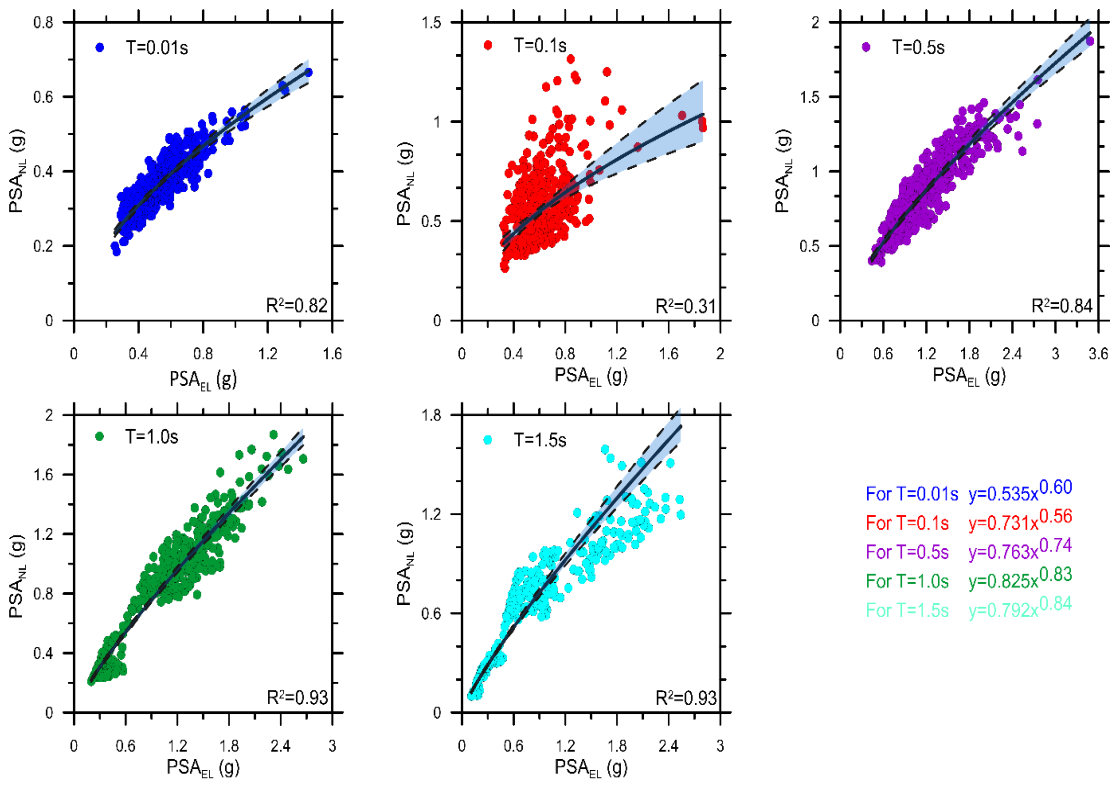
Recent destructive earthquakes have clearly demonstrated that damage distribution in many cities developed on thick alluvial deposits is strongly controlled by local soil amplification and site response effects. Soil conditions therefore play a critical role in determining the characteristics of ground motion and the seismic performance of structures during earthquakes. This study presents the first microzonation-oriented site response assessment for the rapidly urbanizing city of Afyonkarahisar, which is characterized by thick alluvial deposits and a shallow groundwater table. A database consisting of 124 boreholes was compiled to characterize the subsurface stratigraphy of the study area. Shear-wave velocity profiles were verified using both SPT-based correlations and MASW measurements to ensure reliable input parameters for dynamic analyses. One-dimensional equivalent linear and nonlinear site response analyses were performed using the DeepSoil program, employing eleven earthquake ground motion records scaled according to the Turkish Building Earthquake Code. The results indicate that for Earthquake Level-1 (EL-1; 2% probability of exceedance in 50 years) ground motions, nonlinear analyses produce lower amplification factors (1.00–1.62), whereas equivalent linear analyses tend to predict higher amplification values, reaching up to 4.52, owing to their simplified treatment of soil nonlinearity. Under Earthquake Level-2 (EL-2; 10% probability of exceedance in 50 years) motions, both methods yield comparable amplification values ranging from 1.18 to 1.72. GIS-based amplification maps reveal significant spatial variability within the study area and identify zones where local soil conditions may substantially increase seismic demand. The findings suggest that nonlinear site response analysis is more appropriate for representing soil behavior under strong ground motions (EL-1), while both approaches provide comparable results for moderate ground motions (EL-2). Comparisons with Eurocode 8 and NEHRP site classifications further confirm the broader applicability of the results. Overall, this study provides a practical framework for reliable site response assessment that supports earthquake-resistant design and microzonation studies in seismically active regions characterized by complex alluvial environments.